Can I Bring Clients to a Showroom Before Buying?
October 23, 2026
Share this Article:
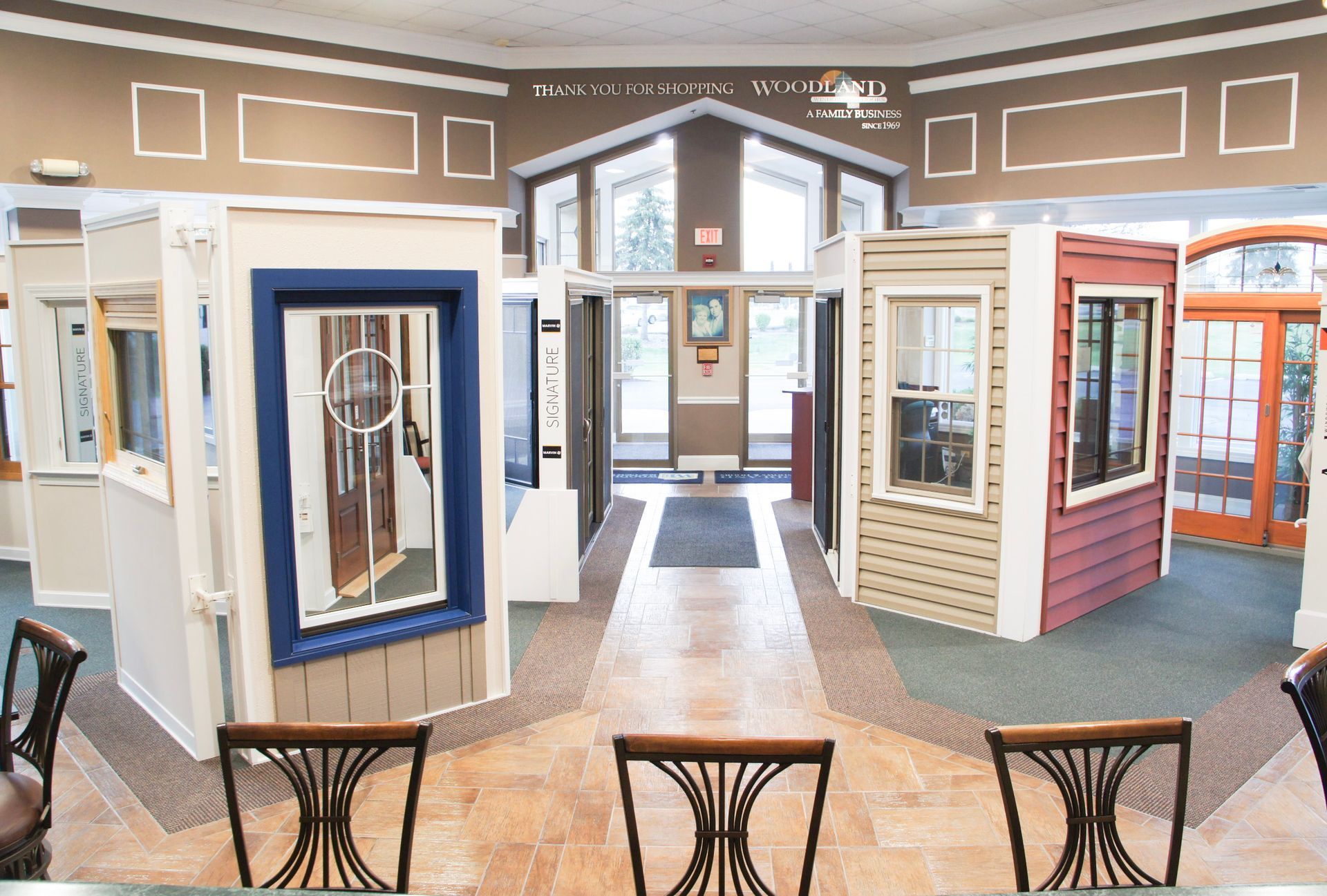
For many projects, a showroom visit is one of the easiest ways to move a client from “I think I like this” to a more confident product selection. Windows and doors can look very different in person than they do in a rendering, catalog, or online photo. Frame proportions, hardware, finishes, sightlines, operation, and overall scale are easier to understand when clients can stand in front of the actual product.
For contractors, builders, architects, and designers, that firsthand experience can make the selection process more productive. Instead of going back and forth over photos, samples, and product literature, clients can compare options, operate displays, ask detailed questions, and begin narrowing their preferences in one setting.
A showroom can also take some of the product-education burden off the trade professional. With the right project context, Woodland’s team can help clients understand the differences between products and work through available options while respecting the design direction, budget, and requirements already established for the project.

Why Bring Your Client to a Window and Door Showroom?
A client may have a general idea of what they want without knowing enough to make a final selection.
They might say they want black windows, a contemporary front door, larger glass areas, or a specific brand. But once the project reaches the ordering stage, there are usually more decisions involved: window style, frame material, hardware finish, grille pattern, interior color, exterior color, glass options, door configuration, and more. But those details can be difficult to settle from product photos alone.
A showroom gives clients a chance to ask questions and understand what they are actually choosing before those selections become part of an order. That can help reduce late changes, repeated conversations, and uncertainty once the project is already moving.
Compare Window and Door Products in Person
One of the biggest advantages of visiting a showroom is being able to compare products side by side.
Clients can see differences in frame profiles, finishes, hardware, materials, and operating styles rather than relying only on brochures or digital images. They can open a casement window, lift a double-hung sash, slide a patio door, or stand next to a larger door system and understand its actual scale.
That matters because
price and product quality are not always easy for homeowners to evaluate from specifications alone.
A client may wonder why one window or door costs more than another. Seeing and operating different products gives Woodland’s team an opportunity to explain where those differences come from, whether that involves construction, design flexibility, hardware, available sizes, finishes, glass packages, or other product features.
The showroom also gives clients a better way to evaluate aesthetic details. A finish that looks right on a screen may look different next to their flooring, cabinetry, siding, brick, or interior trim.
Make Product Selections Easier for Clients
More choices do not always make decisions easier. A homeowner can quickly become overwhelmed when they are comparing several brands, materials, colors, hardware options, grille patterns, and product series at the same time. A productive showroom visit should narrow the choices rather than introduce every possible option.
If a client is working within a defined architectural style, budget range, performance goal, or design direction, Woodland’s team can focus the conversation around products that fit those needs.
For example, instead of asking a homeowner to choose from dozens of windows, the discussion might begin with a smaller set of options that meet the contractor’s requirements for the project. From there, the client can concentrate on the differences that actually affect their decision.
This approach can be especially useful when clients have been researching online but still do not know exactly what they want. Seeing the products often turns vague preferences into specific selections.
Get Expert Product and Design Support
Trade professionals do not always need to be the person answering every detailed product question.
Woodland’s window and door specialists can help explain product differences, available configurations, finishes, hardware, accessories, and design options while working within the direction already established for the project.
That support can be useful when a homeowner wants to spend additional time comparing products or when a project involves more detailed window and door selections.
The intent is not to interfere with the contractor-client relationship. Woodland can serve as the product resource behind it.
You can meet your client at the showroom and go through selections together, or arrange for your client to work with Woodland’s team when that makes more sense for your schedule.
A low-pressure environment is especially important in this situation. The purpose of the showroom visit can simply be to understand products, resolve questions, and make better selections before an order moves forward.
Bring Plans, Blueprints, and Project Details
A more productive showroom appointment starts before your client even arrives.
Send or bring blueprints, elevations, window schedules, project photos, inspiration images, and other relevant information. Budget parameters, preferred manufacturers or materials, architectural requirements, and known client priorities are also helpful.
For new construction and larger remodeling projects, this allows the window and door discussion to stay connected to the building rather than treating each opening as an isolated purchase.
Plans can also help identify questions that should be resolved before selections move further along. Door configurations, operating styles, sizes, finish combinations, and other details may affect both the design and the product package.
Bringing project information also helps prevent the showroom visit from becoming an open-ended shopping trip. If Woodland knows the client needs a certain type of window, a specific exterior finish, or a particular door configuration, the discussion can stay centered on realistic options.
Use Our Showroom as an Extension of Your Team
Woodland’s Roselle and Oak Brook showrooms can serve as an extension of your own project team during the product-selection process.
Bring your clients with you, send them in for additional product guidance, or use the showroom to work through selections together. Woodland can provide the window and door expertise while you continue managing the larger project and client relationship.
For contractors and
other trade professionals, that can mean fewer unresolved product questions and a clearer path from research to ordering.
For clients, it means they do not have to make major window and door decisions based only on photos, samples, or descriptions.
If you are planning a project, make an appointment at our
Roselle or
Oakbrook Terrace showroom and bring your plans, blueprints, or project details. Our team can help you and your client compare products, work through design options, and narrow the selections that make sense for the job.
Connect with Us: