How Ice Damming Impacts Windows
January 20, 2026
Share this Article:
Winter tends to draw our attention to what's cozy and comforting indoors. But behind the warmth, ice can be quietly reshaping parts of a home’s exterior. Most assume snow buildup on the roof is harmless. Then water starts appearing around the windows. Not from a storm, just slow, creeping damage. What seems like a roof problem can end up being a window issue that’s harder to spot until it’s already advanced. Left untreated, it can lead to leaks, mold, and expensive repairs. Homeowners dealing with
icy-wet windows during or after a melt often don’t realize that the trouble started above the glass, not inside it.
What Is Ice Damming and Why Does It Happen?
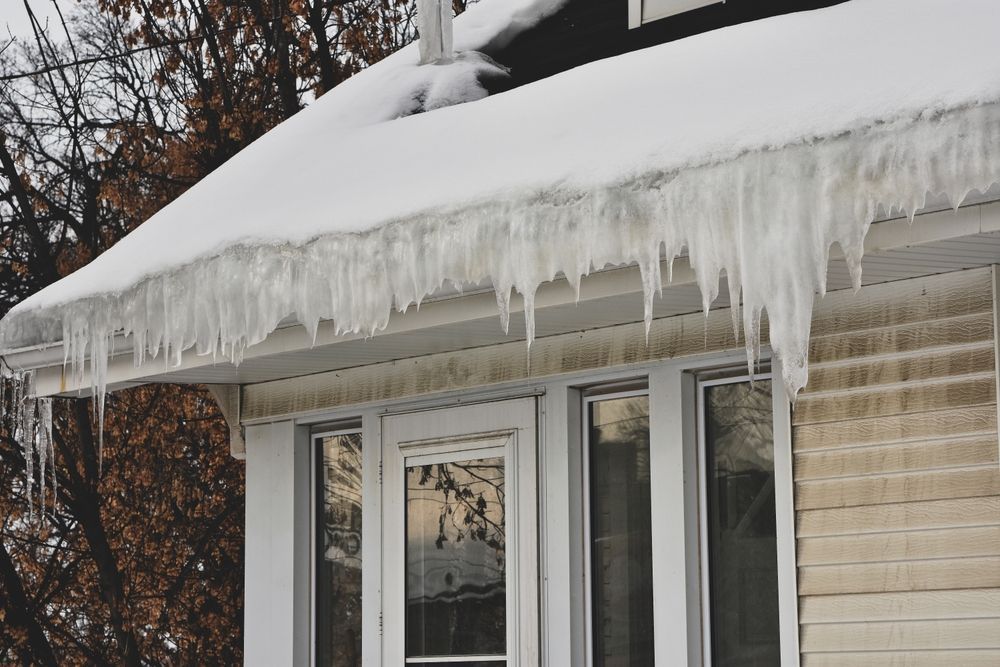
Ice damming happens when melting snow refreezes along the edge of a roof, forming a barrier that blocks additional meltwater from draining properly. That trapped water can back up under shingles and leak into the home, often around windows and walls. It rarely looks like a major roof issue at first, which makes it easy to overlook.
Here’s how it typically starts:
Uneven roof temperatures:
Warm air from inside escapes into the attic and heats parts of the roof.
Ice builds at the edge:
Water pools behind the frozen area and pushes beneath the shingles.
Snow melts and refreezes:
The upper roof gets warm enough to melt snow, while the colder eaves keep that water from draining.
Moisture finds a way inside:
Once under the roofing materials, water looks for weak points like insulation gaps, flashing seams, and window frames.
How Ice Dams Can Damage Your Windows
When ice damming causes water to back up under the roof, it doesn’t always follow a straight path. Moisture can seep behind siding, run down walls, and settle around window openings. Over time, that exposure can lead to swollen wood frames, soft or crumbling drywall, and peeling paint around the interior trim. On the exterior, water stains and rotting sills are often the first visible signs.
Even windows that seem well-sealed can let moisture in if the flashing is damaged or the window was never installed correctly. Once water reaches the wall cavity, insulation becomes damp and airflow drops. That creates the perfect conditions for mold, especially in older homes with aging windows. Homeowners often blame the windows for leaking, but the real issue usually starts higher up. By the time the damage shows, the surrounding structure may already be compromised. That’s when it makes sense to replace windows in the winter if the problem is active and ongoing.
Signs Your Windows Are Affected by Ice Damming
Ice dam-related damage often begins quietly, with signs that may appear surface-level but actually reflect more serious issues developing behind the walls or within the window frame. Sometimes, it shows up subtly through changes that seem cosmetic at first but are worth a closer look before they spread or worsen over time.
Here are common signs your windows might be affected:
- Peeling or bubbling paint around window trim, especially after snow melts.
- Stained or discolored drywall near the top corners of windows.
- Condensation between window panes that lingers even on dry days.
- Soft or warped wood on the sill or lower sash.
- Drafts or cold spots around the window frame that weren’t there before.
- Musty smells near the window, which can signal mold behind the wall.
Noticing a few of these signs can be an early indication that moisture is entering where it shouldn’t, often through compromised seals or surrounding materials. Taking action early helps protect the structure and lowers the risk of recurring damage. Cold-weather symptoms like
ice on the inside of your window are often the result of trapped moisture and poor insulation.
The Role of Proper Window Installation in Preventing Damage
A well-built window only performs as intended when it’s installed with care and precision. During an ice dam, the framing around the window is one of the first places moisture will try to enter. If the original installation left gaps, used poor flashing techniques, or skipped insulation around the opening, water has a clear path inside. Over time, even small flaws in the installation can lead to wood rot, air leaks, and reduced performance.
Proper installation involves more than just placing the window into the opening. It means aligning it carefully, sealing it to limit drafts, and flashing it in ways that direct water away from the wall. These details matter during harsh Chicago winters. Homes that experience repeated damage often have older or improperly installed windows. Replacing them with well-made units, installed by trained professionals, can help prevent the cycle of seasonal damage. Many homeowners use the opportunity to
winterize your windows during replacement, enhancing performance and comfort.
Window Replacement Options for Ice Dam-Related Issues
Once moisture has damaged a window frame or surrounding wall, repair isn’t always enough. Replacement is often the more practical long-term decision, especially if the original window was outdated, poorly sealed, or not suited to Midwest weather conditions. Today’s window systems are built to handle Chicago’s temperature swings and include features that help reduce the risk of moisture issues during freeze-thaw cycles.
Here are a few features to consider when replacing windows after ice dam damage:
- Cladded exterior materials like fiberglass or aluminum resist rot and decay.
- Multi-pane insulated glass limits interior heat loss, reducing snowmelt on the roof.
- Integrated flashing systems protect the opening from water intrusion.
- Properly sloped sills and built-in drainage help redirect water away from the frame.
- Durable interior finishes are easier to maintain in areas that have experienced prior damage.
Selecting windows designed for better moisture management can reduce future issues and support a more comfortable and energy-efficient home.
How Woodland Windows & Doors Helps Homeowners Combat Ice Damming
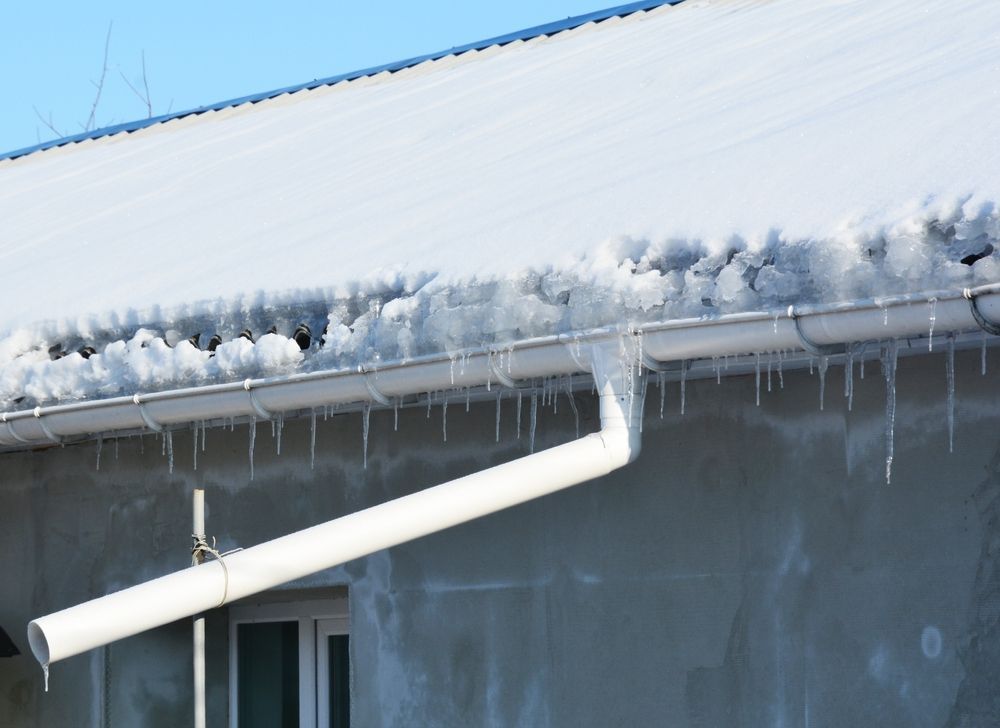
Addressing ice damming starts with evaluating what’s happening beneath the surface. At Woodland Windows & Doors, we look at how the window was installed, how the surrounding structure is performing, and which products could handle the conditions more reliably. Our team works with homeowners to replace damaged or inefficient windows using solutions built for long-term performance, energy savings, and moisture resistance.
Every installation is completed by professionals trained in the best practices for sealing, flashing, and insulating around the frame. That level of detail strengthens the home’s protection against water, especially during freeze-thaw cycles common across the Chicagoland area. We never pressure anyone into making a choice. Instead, we share clear product insights and practical ideas based on the home’s needs. For those looking to take the next step, in-home consultations or visits to our Roselle showroom are easy ways to begin. You can also
contact us to schedule a free consultation.
Connect with Us: