The Parts of a Door
January 22, 2026
Share this Article:
Every door is built from parts that affect how it looks, operates, and protects a space. Each component contributes to performance, appearance, and long-term durability. At Woodland Windows and Doors, we help people understand these elements so they can select the right fit for their home or project.
Door Slab
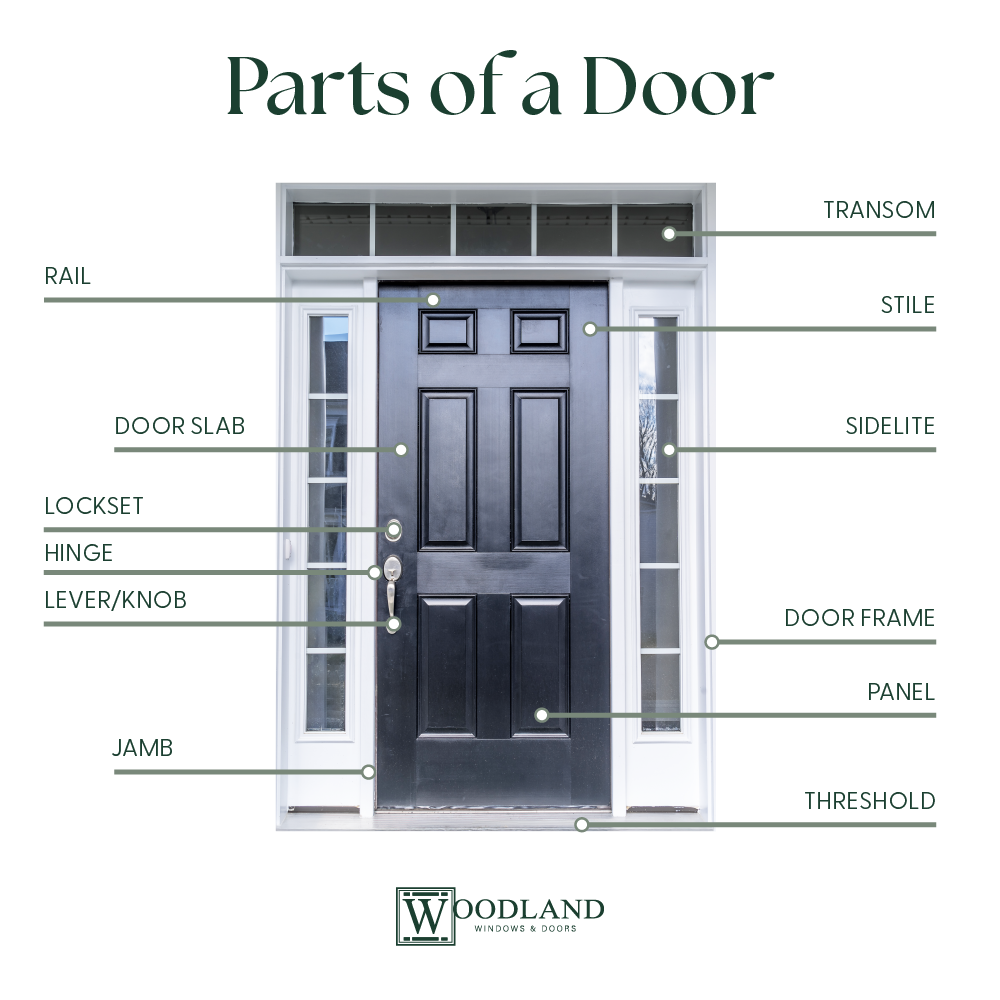
The door slab is the main part you see and use. It’s the large, flat section that swings open and closed. Slabs can be solid or include panels, glass inserts, or decorative accents. Materials like wood, fiberglass, or steel offer varying strength, insulation, and design options. Design decisions often start with the slab. Homeowners and pros pick
door styles and then decide on factory finishes or custom paint. It sets the tone for the rest of the system and can influence everything from hardware to framing choices.
Door Frame
The door frame surrounds and supports the whole door system. It holds the slab, hinges, latch, and weatherstripping, anchoring them securely into the wall. A stable frame keeps the door square, helps it swing properly, and blocks air or moisture from creeping in around edges. Frames are available in wood, composite, or metal, depending on needs. Each frame is paired with the door unit for a precise fit and lasting performance, which is key in maintaining security and energy efficiency over time.
Jambs and Stops
Jambs are the vertical sides of the frame where hinges and strike plates attach. They give structure so the door can open, close, and latch securely. Stops are narrow strips fastened to the jambs; they provide a resting point for the slab when it’s shut. Together, they help the door stay aligned and minimize drafts or noise. Many door units arrive preassembled with correctly sized jambs and stops to reduce installation headaches and save time on the job.
Hinges
Hinges fasten the door slab to the frame and allow it to swing open or closed. They’re usually metal and come in finishes that match handles and other hardware. Most residential doors use three hinges; heavier or taller models might need four. Proper placement and alignment are essential. If hinges are poorly mounted, the door may stick, drag, or sag over time. Pre‑hung doors often have hinges mortised into both the frame and slab to simplify setup and improve performance.
Threshold and Sill
The threshold is the strip you step over at the bottom of the doorway. It rests on the sill, which forms the base of the door frame and supports all loads above. Together, they help keep out moisture, drafts, and pests. You’ll see materials like aluminum, composite, or wood-clad options, depending on the design goals. Each threshold and sill pair is matched to the door’s style and performance needs to support comfort inside the space, especially in areas prone to temperature swings or heavy use.
Rails and Stiles
Rails and stiles form the internal skeleton of the door slab. Stiles run vertically along the sides, while rails run horizontally across the top, bottom, and sometimes across the middle. These parts give the door structure and help define panel layouts. Strong construction in rails and stiles improves durability and daily use performance. Quality doors use engineered rails and stiles, so design and strength go hand in hand. This foundation helps prevent warping and keeps the door functioning smoothly.
Panels and Moulding
Panels fill the space between rails and stiles. They can appear flat, raised, or shaped to match style preferences. Moulding frames each panel, adds visual depth, and holds components in place. Together, they influence both the door’s look and structural integrity. A good selection of panel layouts and moulding choices lets homeowners or contractors match existing trim or choose something striking. These details make a big difference in overall curb appeal and resale value.
Lite Openings and Glass Inserts
Lite openings are cutouts in the slab for glass inserts. They allow natural light into interiors and can add decorative flair. Glass options range from clear to frosted, textured, or decorative, often with grille patterns or privacy treatments. Some doors use a single large lite; others employ multiple small sections. A broad glass selection helps balance light, privacy, and style for different entryways, especially when paired with complementary sidelites or transoms.
Locksets, Levers and Knobs
Locksets include both the locking mechanism and the handle or knob used to operate the door. Levers tend to be easier to grip; knobs often suit traditional looks. Some locksets are keyed for security, others are passage or privacy types, depending on the room. Finish, shape, and feel all influence performance and aesthetics. The right hardware works every day, harmonizes with design, and fits seamlessly into the surrounding space, whether it’s a front entry or interior room.
Strike Plates and Latch Components
Strike plates are metal pieces fixed on the jamb where the latch or deadbolt fits. They help protect the frame at that contact point. The latch is the spring‑loaded piece that extends from the door’s edge into the strike plate to keep the door shut. Good alignment between the latch and strike is essential for smooth operation. When doors arrive prepped for these parts, installation is faster, and the closing action is more precise and consistent across all uses.
Weatherstripping
Weatherstripping runs along the edges of the frame to seal gaps and block air, moisture, and noise. It typically comes in foam, rubber, or vinyl that compresses slightly when the door closes. That tight seal boosts energy efficiency and comfort indoors. Over time, it may wear or deform and need replacement, especially in busy entries. This helps address problems like
drafty doors, especially in colder months when heat loss can become noticeable.
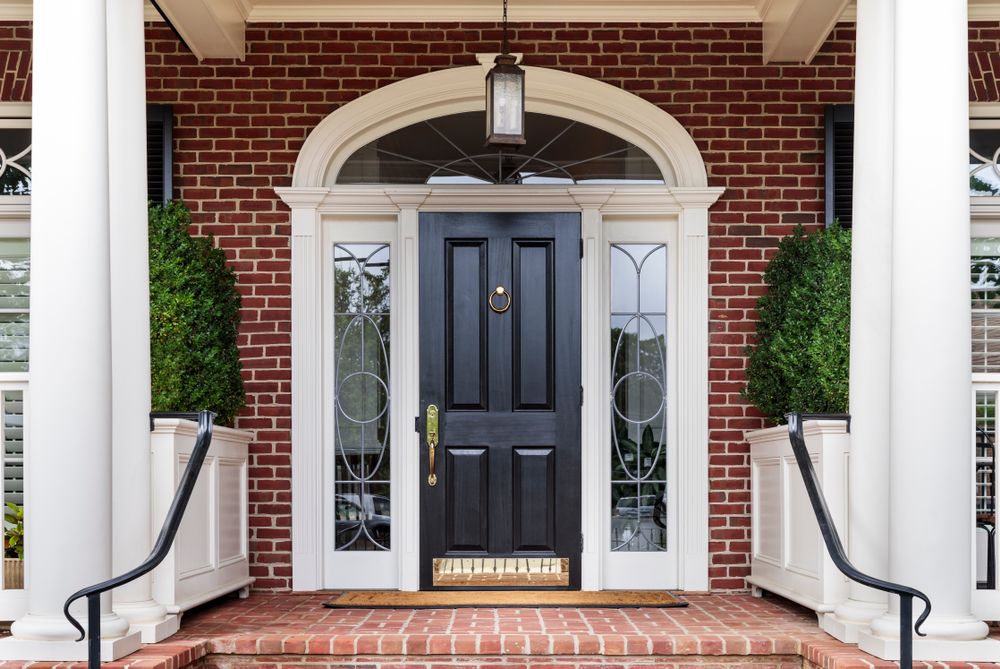
Transoms and Sidelites
Transoms are horizontal windows placed above a door. Sidelites are narrow vertical windows positioned on one or both sides. Both add daylight and visual appeal to an entry. They may use clear, frosted, or decorative glass to maintain privacy while enhancing design. Many systems integrate transoms and sidelites in the same frame as the door for unity. Custom options help homeowners and trade pros create bright, welcoming entrances that stand out. These are common features in today’s
door trends and continue to grow in popularity.
Ready to upgrade your entryway?
Contact Woodland Windows and Doors to explore door systems that combine form, function, and lasting quality.
Connect with Us: