How to Choose the Right Window Size
April 2, 2026
Share this Article:
Windows shape how a home feels long before anyone notices trim color or furniture placement. The size of each opening influences light, airflow, comfort, and even how rooms are used day to day. Yet window sizing decisions are often based on rough assumptions or what seems standard. Taking a more thoughtful approach helps homeowners balance appearance, performance, and long-term value in a way that fits both the home and the people living in it. Understanding how standard window sizes and basic
window parts relate to your home is an important part of that process.
Start With Your Existing Openings
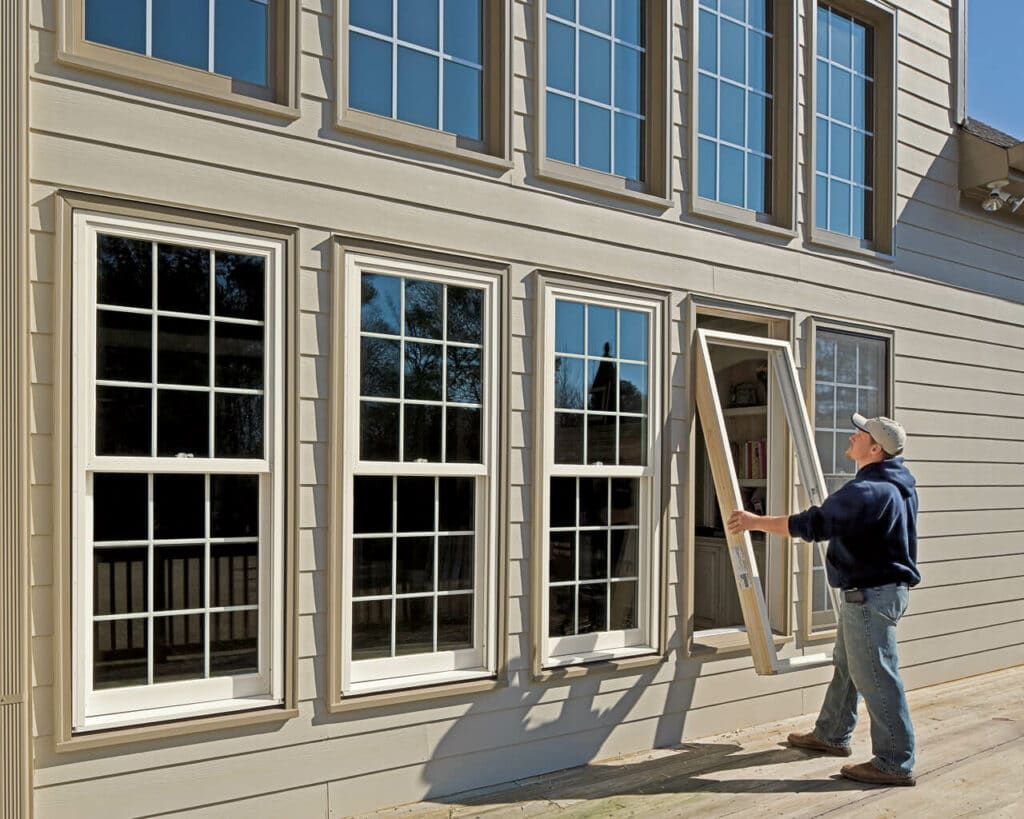
For many homes in the area, the starting point is already set. Existing wall openings usually determine what will fit without structural modification. Measuring the current width and height is the first practical step, but it is only part of the picture. Framing condition, insulation around the opening, and exterior cladding all influence what size replacement window makes sense. These details also help clarify the dimensions of the window rough openings that will guide the final product selection.
Homeowners often begin by looking up typical window dimensions, hoping for a quick answer. Those dimensions can be helpful for reference, but most homes benefit from custom sizing that matches the exact opening. Small variations in older homes are common, and even newer construction can differ slightly from published dimensions, which is why standard window sizes should be treated as guidelines rather than hard rules.
Starting with accurate field measurements keeps the project grounded in reality. It also helps avoid unnecessary adjustments that add cost or compromise performance later. Working from the existing structure protects interior finishes and maintains the architectural character that gives the home its personality.
Match Window Size to Room Function
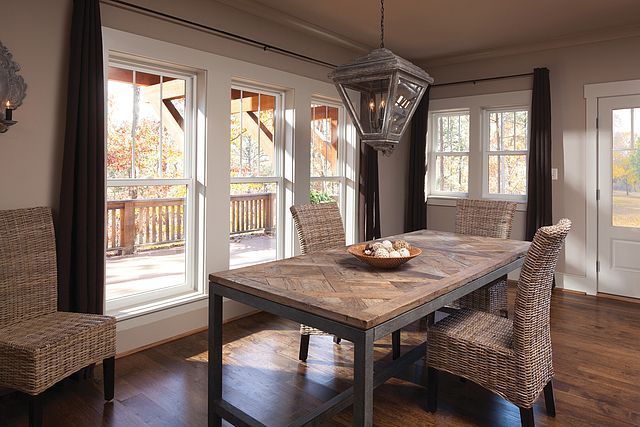
Every room serves a different purpose, and the window size should reflect that. A kitchen often benefits from wider glass areas that bring in natural light over sinks and workspaces. Living rooms may call for larger units that frame outdoor views and create a sense of openness. Bedrooms, on the other hand, balance daylight with privacy and furniture placement. In each case, it helps to move beyond standard window sizes and think about what actually works best for the way the space is used.
Published dimensions can provide a helpful starting reference, but function should guide the decision. In a bathroom, a taller window placed higher on the wall can introduce daylight while maintaining discretion. In a home office, appropriately sized windows reduce glare on screens while still brightening the space.
In some situations, homeowners also discover opportunities to expand the opening itself. Structural adjustments can create room for larger configurations that better fit the space. For example, one Woodland Windows and Doors client originally planned to replace an older sliding patio door with a similar unit. After reviewing the layout, the opening was extended to accommodate a four-panel slider, creating a wider view and a stronger connection to the outdoor area. Situations like this highlight how thoughtful planning can reveal options that were not initially considered. In the future, a detailed case study can walk through how that project came together.
Thinking about how each room is used from morning to night helps clarify what size feels comfortable. When window dimensions line up with function, spaces feel intentional instead of accidental. The aim is to create rooms that feel balanced, comfortable, and practical throughout changing seasons and daily routines.
Keep Proportion and Curb Appeal
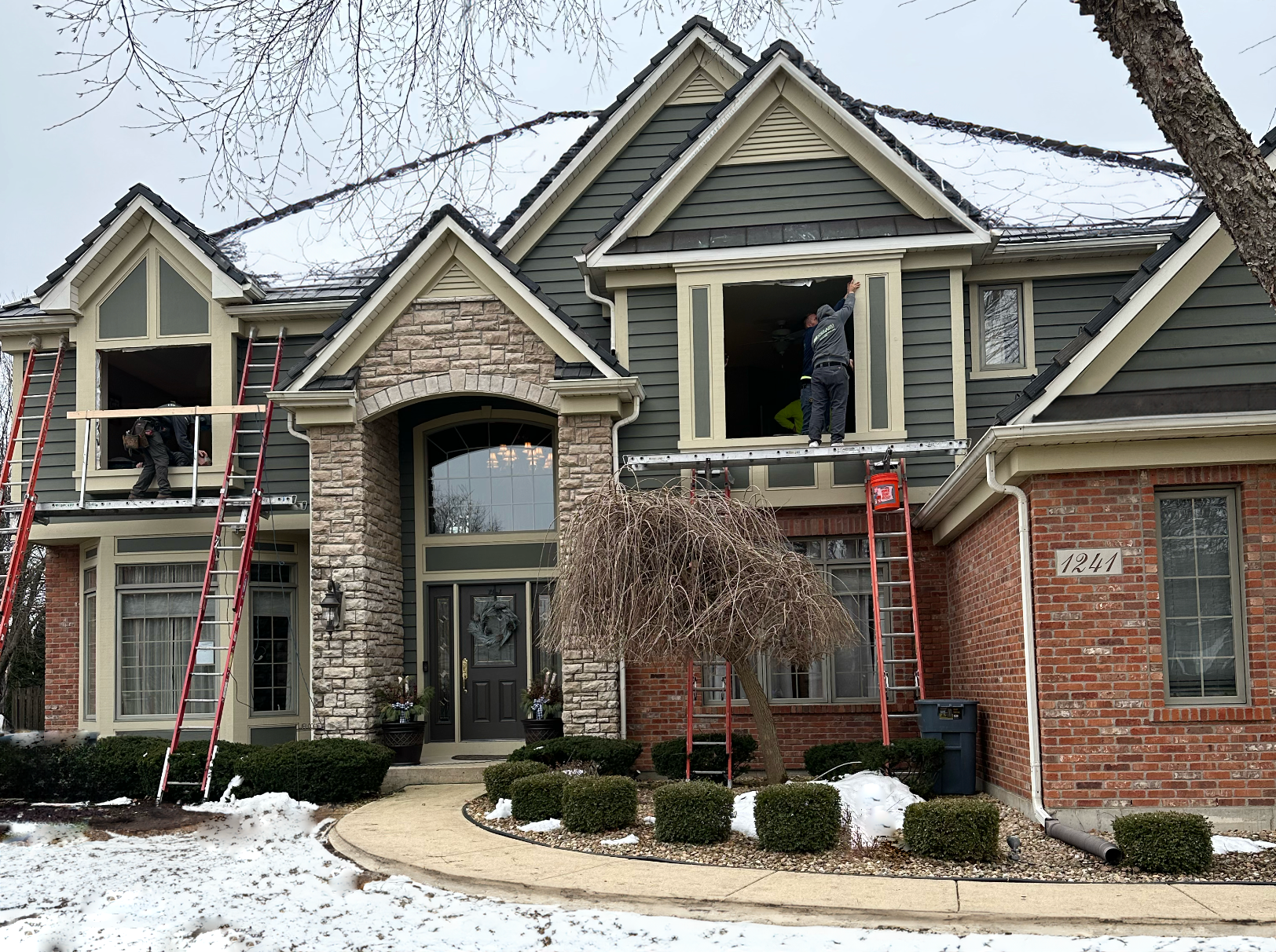
Window size has a strong impact on how a home looks from the street. Even small changes in height or width can shift the visual balance of the façade. Proportion matters, especially on traditional homes where symmetry and alignment play a major role in curb appeal.
When replacing older units, it helps to consider how the windows relate to rooflines, trim details, and entry doors. Enlarging one opening without adjusting others can create a disconnected appearance. Shrinking the glass area too much can make a home feel closed in and less welcoming.
Inside the home, proportion influences how tall the ceilings feel and how much wall space is left for furnishings. Taller windows draw the eye upward, while wider windows emphasize horizontal lines. Thoughtful sizing ties the interior and exterior together, so the home feels cohesive rather than pieced together over time. Planning carefully at this stage protects both architectural character and future resale appeal.
Follow Code and Egress Requirements
Window sizing is not only about appearance. Building codes play an important role, particularly in bedrooms and basements where egress windows are required for safety. These openings must meet specific minimum width, height, and clear opening standards so occupants can exit and emergency responders can enter if needed.
Homeowners reviewing size charts may assume any bedroom window will qualify, but code compliance depends on the clear opening once the sash is fully open. The style of window chosen affects this measurement. For example, a casement window often provides a larger clear opening than a double-hung unit of the same frame size.
Local regulations can also address tempered glass, sill height, and well dimensions in below-grade spaces. Planning for these details early prevents costly revisions later and helps the project move smoothly from selection to installation. A careful review with a knowledgeable window specialist clarifies what applies to each specific room.
Balance Size With Energy Efficiency
Larger windows can bring in expansive views and generous daylight, but size also affects energy performance. In this climate, where winters are long and summers can be humid, the glass area plays a meaningful role in heating and cooling costs.
More glass can increase solar heat gain in summer and heat loss in winter if the window is not specified with care. Frame material, glazing package, and orientation all factor into how a window performs. South- and west-facing openings, for example, may benefit from different glass configurations than north-facing walls.
Instead of defaulting to the largest unit that fits the wall, it helps to weigh daylight goals against thermal performance. A well-sized window paired with high-quality glass can enhance comfort throughout the year. Thoughtful sizing supports both visual appeal and long-term efficiency, keeping interiors comfortable in every season while managing utility expenses responsibly and easing the load on heating and cooling systems.
Get Expert Measurements First
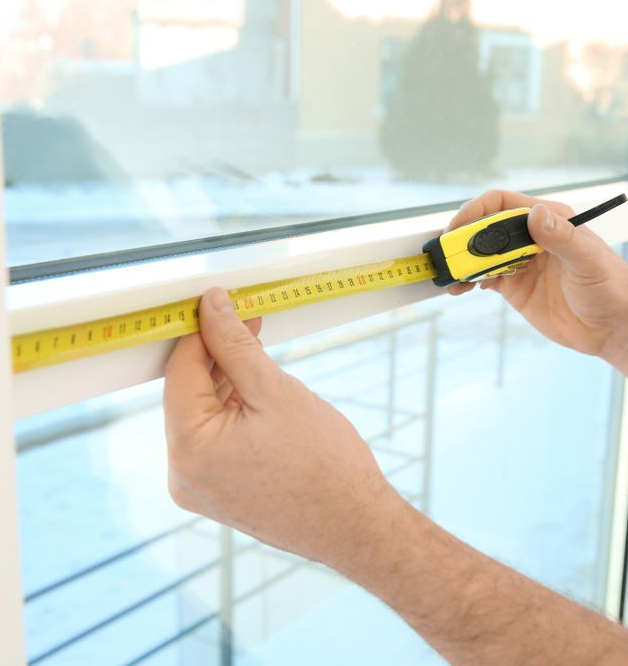
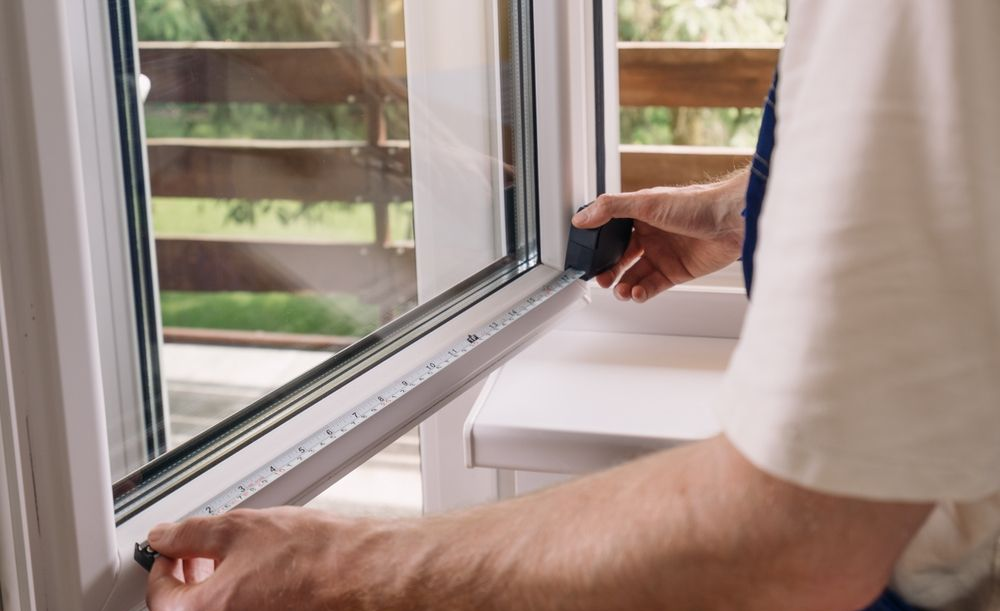
Accurate measurements bring all of these considerations together. Online charts can be useful for early research, but final sizing should always be based on field verification. Even small discrepancies in width, height, or squareness can affect fit and long-term performance.
A professional measurement accounts for framing depth, structural headers, exterior finishes, and interior trim details. It also creates space to discuss style preferences, energy goals, and any code considerations that may apply. This step forms a clear three-part path: evaluate the existing opening, select the right configuration, and confirm precise dimensions before ordering.
At
Woodland Windows and Doors in Roselle, our team works closely with homeowners to review options in our state-of-the-art showroom and during in-home consultations. If new windows are on your horizon, request a design consultation or
contact us to start a conversation with a window specialist who understands the local market.
Connect with Us: