Window Maintenance Checklist for Homeowners
April 17, 2026
Share this Article:
A home’s windows often go unnoticed until something goes wrong. Many homeowners expect their windows to perform year after year without much attention. But exposure to weather, shifting frames, and daily use gradually wears things down. Small problems build quietly over time. Regular care can extend a window’s life, keep indoor spaces more comfortable, and help avoid bigger repair needs or full replacements. Even a few minutes of attention each season can extend long-term performance and peace of mind.
Inspect Your Windows Seasonally
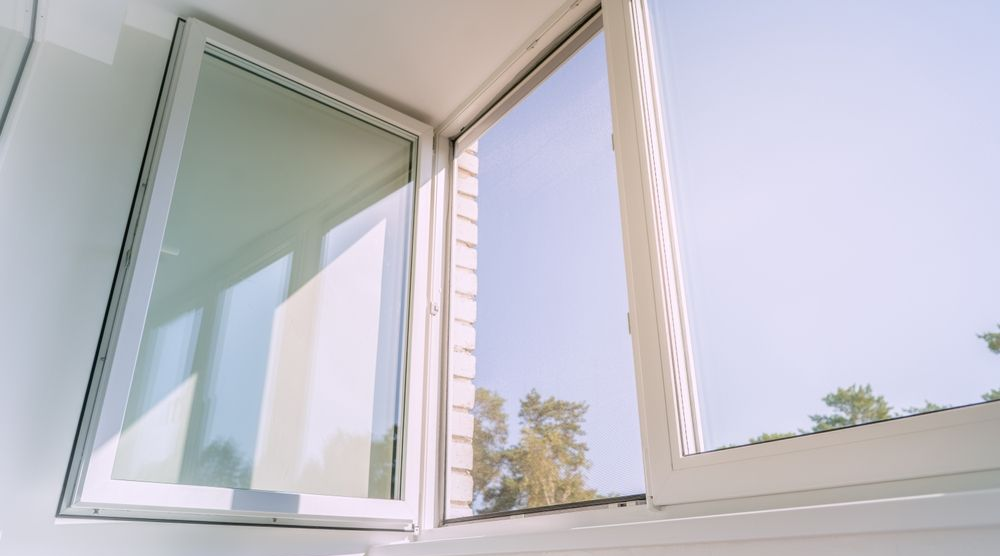
Each season puts different pressure on your windows. Summer heat, winter freeze, spring moisture, and fall shifting can all take a toll. Doing a quick check at the start of each season helps catch small issues early.
Look for signs of damage around the frame, discoloration in corners, or changes in how the sash fits. Screens may loosen, caulk may dry out, or hardware may show signs of rust. These are small things at first, but they tend to grow if ignored.
Seasonal changes can shift how well your windows close or lock. Giving them a few minutes of attention four times a year keeps you ahead of wear and tear. It’s a simple way to stay connected to how your home is aging and where small fixes might be needed.
Look for Drafts, Leaks, or Seal Failure
Drafts and moisture are two of the most common signs a window isn’t performing well. Seals can weaken, glass may lose insulating properties, and frames might shift just enough to let air or water in. These issues often appear subtly at first.
Here are a few things to check for:
Cold air near the frame, even when the window is closed
Water stains on the wall or sill after rain or snow
Condensation between the glass panes, which may point to seal failur
Visible gaps or cracks in the sealant or weatherstripping
Rattling glass or loose locks that don’t sit flush anymore
Spotting these signs early helps you decide when repairs are worth it. If the problems keep returning or get worse, it might be time to start considering replacement options, especially if you notice
ice on the inside of your window, which often signals deeper insulation or seal issues.
Clean Glass, Frames, and Tracks Regularly
Keeping windows clean does more than improve the view. Clear glass is easier to inspect and maintain, while buildup from dirt and debris can wear down materials and affect how parts function. Use a soft cloth and non-abrasive cleaner to avoid scratching the surface. Then look at the frame, especially in corners where dust and moisture collect.
Tracks often get overlooked, but they’re one of the most important areas to maintain. Built-up grime can make windows stick or prevent them from closing fully. A vacuum with a narrow attachment or a soft brush works well to clear these spaces without damaging the finish.
A simple cleaning a few times a year helps extend lifespan and keep windows working. It’s also a chance to catch early signs of wear before they become more expensive problems.
Test Window Operation and Hardware
Even well-maintained windows can stop working properly. Hardware wears down, especially in windows that get frequent use. Testing how your windows open, close, and lock is a quick but helpful step.
Here are a few things to check:
Latches or cranks that move easily and hold their position
Lock alignment that keeps the sash secure when engaged
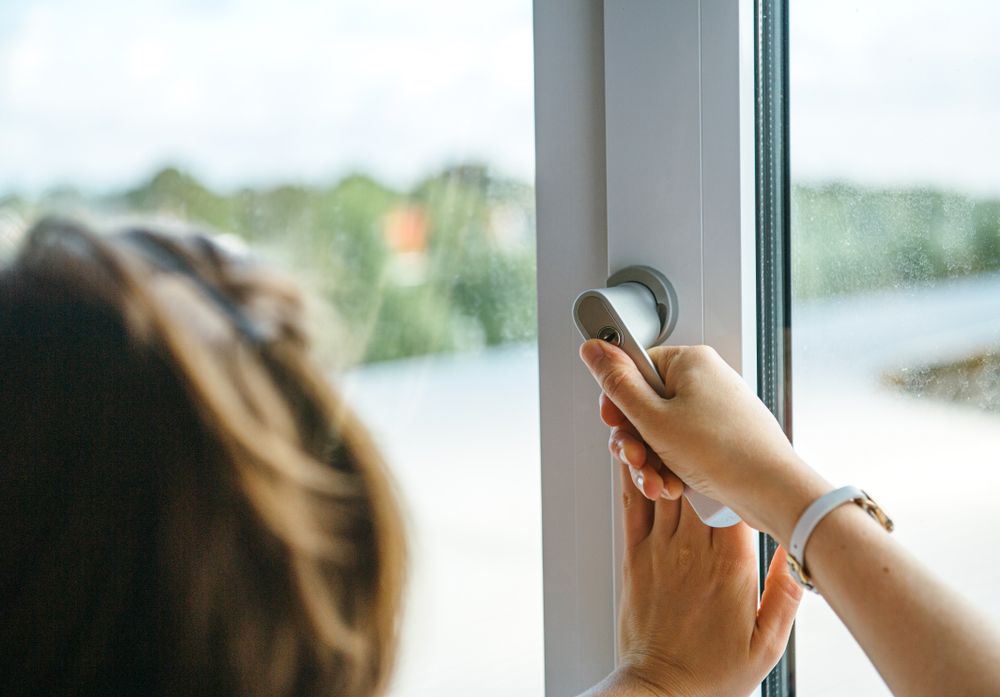
Handle strength with no wobbling or giving under pressure
Smooth operation when opening or closing, without sticking or scraping
Springs or counterbalances that support the sash and keep it from slamming shut
If something feels off, it could be a sign that the hardware is wearing out or the frame has shifted. These issues often start small but can affect both safety and energy efficiency if ignored. A common red flag is when a
window won't stay up, which may point to a failed balance system that requires attention or replacement.
Check Caulking and Weatherstripping for Gaps
Caulking and weatherstripping seal the small spaces around a window that keep air, water, and pests out. Over time, these materials break down. Sun can dry out caulk, and temperature swings can loosen weatherstripping.
Run your hand along the edge of the frame to feel for airflow. Look for brittle caulk outside and gaps in the interior seal. If anything looks worn or has started to pull away, it may be time to replace it.
Maintaining these seals helps preserve comfort, reduce energy use, and protect window performance.
Trim Back Nearby Trees and Shrubs
Plants near the house add beauty and shade, but when they grow too close, they can quietly cause damage. Branches brushing against the glass or frame during storms can scratch surfaces, loosen seals, or crack materials. Leaves and debris gather in sills and tracks, creating moisture buildup.
Insects and animals also use overgrown shrubs as cover, making it easier to get inside. Trimming trees and shrubs keeps air moving around the window, which helps everything dry faster. It also increases sunlight, which can reduce mildew and condensation.
Clearing space around each window, ideally a foot or two, helps protect both the exterior materials and the window's function.
Know When It’s Time to Consider Replacement
No matter how well you maintain them, windows won’t last forever. Signs like condensation between panes, sticking frames, drafts, or visible damage to the sash can signal it’s time to start thinking about replacement. Warped windows, cracked glass, or aging hardware that’s no longer functional are also strong indicators.
Pay close attention to the condition of the frame and the moving parts of a window, like locks and latches. If several areas around your home are showing similar wear, you may want to evaluate your window replacement timeline and start planning ahead. Replacing older windows can improve energy efficiency, comfort, and even indoor air quality.
Woodland Windows & Doors specializes in full replacement services, including
expert installation of high-quality products built for long-term performance. If your windows are showing signs of age or wear,
contact us to schedule a consultation or stop by the showroom to see what's possible.
Connect with Us: